.svg)

%404x%20(1)-min.webp)


Heading
An Ultimate Marketer's Guide to Gaming Industry Events: GDC, Gamescom, TGS, and Beyond

By
Cloutboost
The gaming industry runs on a calendar of major events: GDC, Gamescom, Tokyo Game Show, and a handful of others shape product launches, partnership deals, creator activations, and the press cycle. For people trying to break into the industry, understanding this calendar is how you start to see how the business actually works. For marketing teams already inside it, the question every year isn't whether to engage with these events, but which ones to prioritize, how to show up, and how to extract real value from the time and budget invested.
Each major event serves a different purpose. GDC is the industry's developer summit. PAX is built for fans. Summer Game Fest is a global broadcast moment. Gamescom is the largest public gaming event on the planet. The Tokyo Game Show is the gateway to the Asian market. Trying to attend all of them with the same playbook is one of the most common mistakes marketing leads make.
This guide breaks down the top five events and the practical mechanics most articles skip: how to actually get there, how to line up meetings before you land, how to approach each event with the right playbook, and a few things first-time international attendees tend to learn the hard way.
GDC - March, San Francisco
The Game Developers Conference has been the industry's professional gathering for four decades, held annually each March at the Moscone Center in San Francisco. It's been rebranded in recent years as the GDC Festival of Gaming, reflecting an effort to bring more disciplines under one roof.
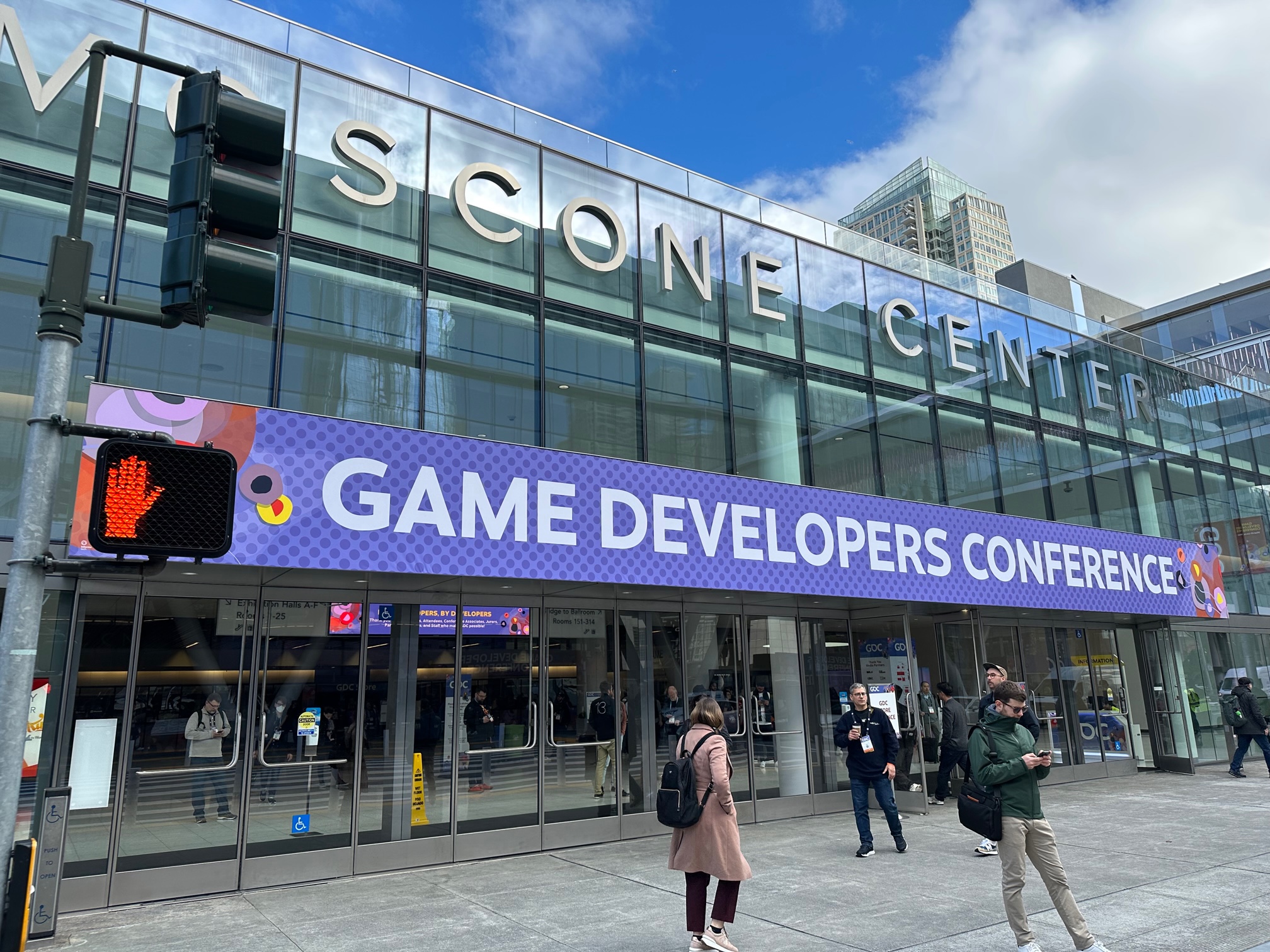
For marketers, GDC is fundamentally a B2B event. The audience is developers, publishers, platform reps, technology vendors, investors, and the marketing and PR professionals who serve them. Sessions span programming, design, visual arts, audio, production, and business tracks with the business and Discovery & Marketing tracks being the most relevant for promotional and creator-focused teams.
GDC is also home to the Game Developers Choice Awards, the industry's premier peer-recognition awards held during the conference each year. The awards ceremony is a useful anchor in the GDC week schedule and a reliable place to see and be seen: entries are judged by a peer jury rather than press or public vote, which makes the room genuinely industry-dense.
GDC has simplified its pass structure in recent years. The main Festivals Pass now provides full access to sessions, networking, and Festival Hall (formerly the GDC Expo). That makes it easier to bring more team members without doing pass-tier math, though prices climb the closer to March you book.
PAX East and PAX West - Boston in March, Seattle in Late Summer
PAX is where consumer-facing gaming culture lives in North America. PAX East takes place each spring at the Boston Convention & Exhibition Center, and PAX West follows later in the year in Seattle around the Labor Day weekend. There's also PAX Aus in Melbourne and PAX Unplugged in Philadelphia for studios with relevant audiences.
PAX is a fan event. The audience is gamers, content creators, cosplayers, and the press that covers them. PAX East regularly draws more than a hundred thousand attendees in person, with additional fans participating digitally across Twitch, Steam, and other platforms. The expo hall mixes major publishers with indie developers, tabletop areas, and esports tournaments.
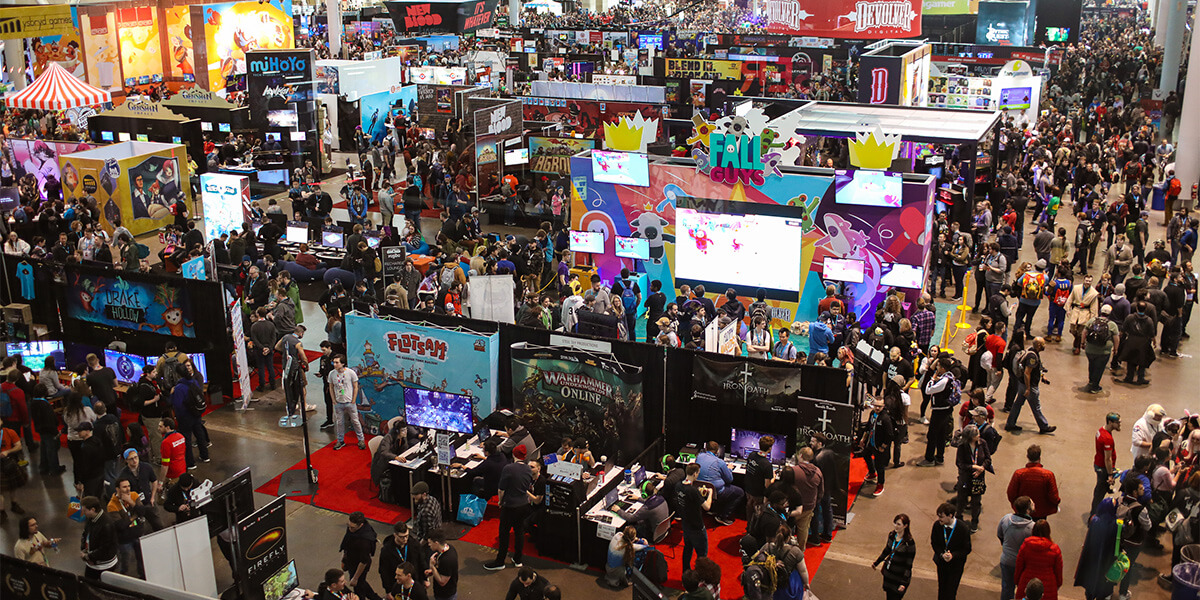
For marketing teams, PAX is a useful complement to GDC because it does what GDC doesn't: it puts your game in front of actual players. The most effective PAX activations include playable demos with strong queue management, creator meet-and-greets coordinated with influencer partners, panels with developer-fan Q&A, and merch giveaways tied to streaming or social actions.
PAX East specifically is valuable for studios with a Q2 or summer release window, because the post-show coverage cycle aligns with marketing pushes through April and May. PAX West, with its end-of-summer placement, is well-suited for fall holiday-season titles.
The mistake to avoid at PAX is treating it like a B2B event. There are press meetings happening, but they're secondary to the consumer experience. If a team's plan is heavy on private meetings and light on demo presence, GDC is almost always the better choice.
Summer Game Fest - June, Los Angeles
Summer Game Fest has filled the gap left by E3's discontinuation. The event runs annually in early June, with the Live Kickoff showcase from the Dolby Theatre in Los Angeles, followed by SGF Play Days, a hands-on event for media and influencers downtown.
SGF is a hybrid global broadcast and an in-person media junket. The 2025 Summer Game Fest reached more than 50 million livestream viewers across the two-hour show, the highest viewership on record for the event. That kind of reach comes with a cost. Anonymous marketing professionals told Esquire that the 2024 main show charged $250,000 to air a one-minute trailer, with $100,000 added for each additional 30 seconds, but the audience aggregation is unmatched in the early-summer window.
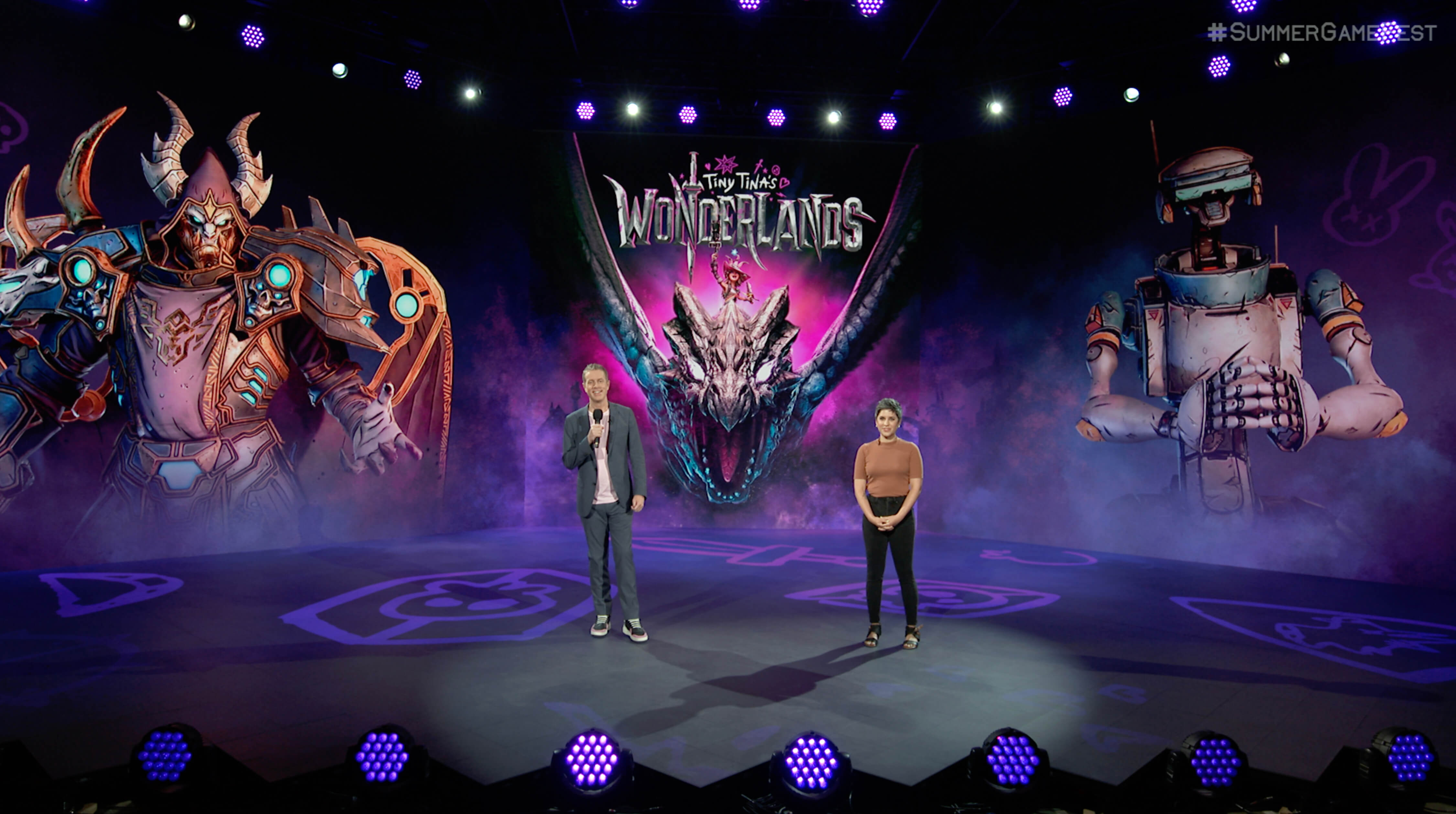
SGF is a high-priority market for marketing professionals due to its dual role as a platform for both big reveals and the creation of media/creator content leading up to launch. The Live Kick-off (major reveal announcements, confirmation of release dates, etc.) is the platform for global releases and announcements. The economics only work for studios with a meaningful announcement and the funds to support the costs of advertising/ sponsorship on the platform.
Play Days are a B2B event created by SGF which includes The Game Business Live and features industry voices discussing the current state of the global gaming industry, including changes, challenges, and opportunities. Play Days is the most practical way for most developers to use this platform. Invited media/creators will have the opportunity to play games pre-launch, generate preview content that will run from June until Summer.
Gamescom - Late August, Cologne
Gamescom is the largest gaming event in the world by attendance, held annually at Messe Cologne with the Opening Night Live broadcast on the Tuesday evening before the main floor opens. Recent editions have brought over 1,500 exhibiting companies, 34,000 trade visitors, and more than 357,000 gaming enthusiasts to the venue. Gamescom also runs regional editions in Brazil (Gamescom Latam) and Thailand (Gamescom Asia).
What is unique about Gamescom is its dual nature as the largest European B2B gaming show and the largest Consumer gaming show in the world and as such they run simultaneously. gamescom dev (the business to business convention focused specifically on game developers) takes place prior to the larger consumer event which typically runs from the Sunday to the Tuesday of the same week.
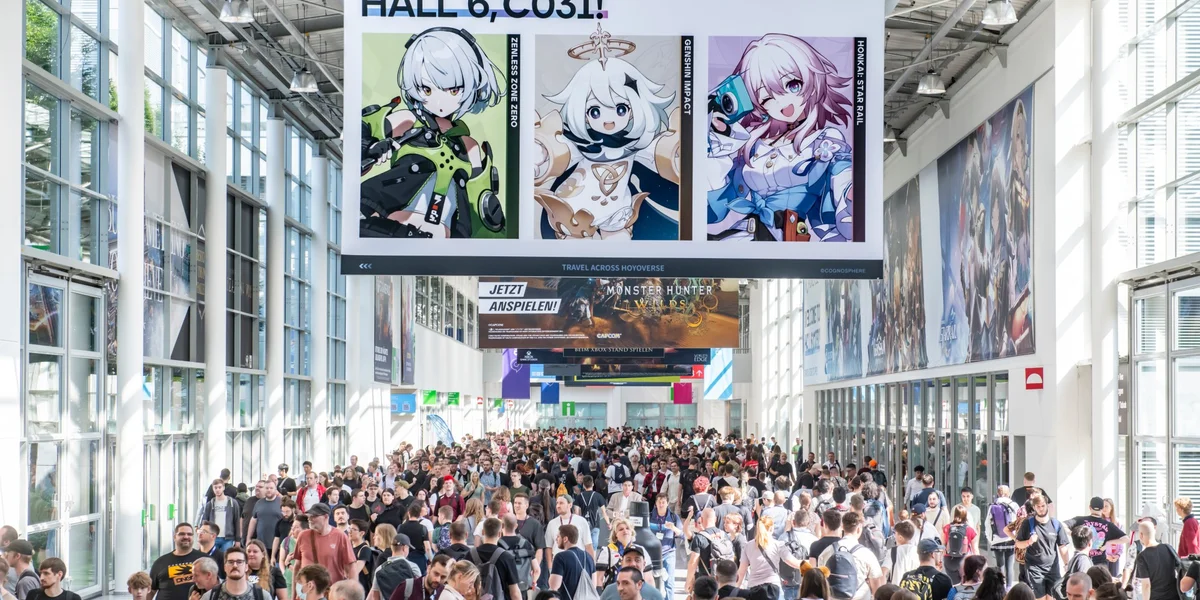
For consumer-facing activations, the public days at Messe Cologne attract a younger, more international audience than PAX. Booth presence with playable demos, creator collaborations broadcasting from the floor, and merch tied to community actions all perform well. The audience is willing to wait in long lines for hands-on time, which makes demo throughput a real planning consideration.
For B2B, the gamescom dev days plus the days before Opening Night Live are the prime windows for partnership meetings, press briefings, and platform conversations. Many teams structure their entire week as: arrive Sunday or Monday, dev days and meetings Monday through Wednesday, Opening Night Live Tuesday evening, public floor presence Wednesday through Saturday.
Tokyo Game Show - September, Makuhari
Established in 1996, Tokyo Game Show has grown into one of the largest events in the Asian gaming market and the premier platform for developers and publishers to showcase games, hardware, and accessories to the region. It's held annually at Makuhari Messe in Chiba and organized by the Computer Entertainment Supplier's Association (CESA). Recent editions have expanded to a five-day format with two business days followed by three public days, drawing 250,000–300,000 visitors and 3,000+ exhibit booths.

What makes TGS distinctive is its two-part structure. On one side, industry veterans discuss business, run sessions, and educate attendees across a wide range of topics. On the other, fans pour in to express their love of gaming through cosplay, fighting game tournaments, and serious merchandise hauls. The result is a dynamic, all-encompassing expo where the business and consumer sides of the industry sit side by side.
The expansion to three public days reflects organizer commitment to making the event work for more international attendees. Overseas visitors have made up more than 50% of total attendance in recent years, and ahead of each show, TGS organizers hold free pre-event sessions in cities including Bangkok, Jakarta, Mumbai, and Riyadh.
The venue is in Chiba, about 30 minutes by train from central Tokyo. Many international attendees stay in Shibuya or near Tokyo Station and commute via the JR Keiyo Line directly to Kaihin-Makuhari Station, usually more flexible than staying in Chiba itself, where hotels near the venue book out quickly.
The Game Awards and Year-End Window - December
The Game Awards in early December isn't a multi-day trade event in the way the others are - it's the gaming industry's Oscars. Established in 2014 and produced and hosted by game journalist Geoff Keighley, the show has grown into a one-night global broadcast where the entire industry watches the same screen at the same time. The days surrounding it in Los Angeles host parties, press dinners, and informal partnership conversations that can move deals forward in the final weeks of the year, but the show itself is the gravitational center.
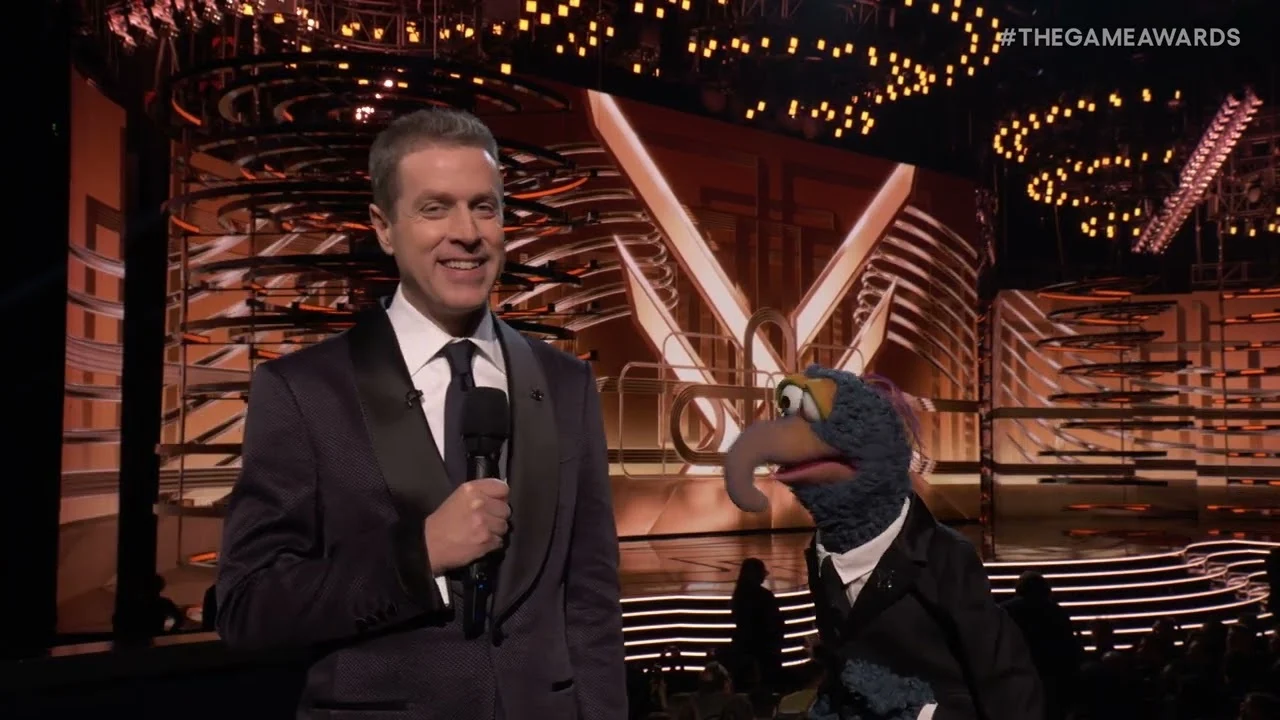
Like the Oscars, the value of the night is largely about being seen by peers, by press, by the people you'll want to call in January. A founder posting from the red carpet, the after-parties, or a quiet dinner with a publisher signals a different kind of industry presence than a polished trailer or a press release ever could.
How Meetings Actually Get Booked: MeetToMatch and Alternatives
The number one thing that determines if your attendance at a conference trip is worth the cost is the number of quality meetings you have while attending. One of the most frequent mistakes new attendees to conferences make when they attend their first event is showing up without having already scheduled a solid calendar of confirmed meetings.
The standard tool across the industry is MeetToMatch. The platform is bundled with tickets to most major B2B events and many of the regional indie ones. According to MeetToMatch, the platform is used by over 60 international video game events to connect developers, publishers, investors, and other industry professionals.
The platform has filters by company type, role, and product interest. Browse the attendee and company lists, send meeting requests with a short personalized note explaining why the meeting is relevant. Generic requests get ignored; specific ones get accepted. The window matters, calendars fill up fast, and waiting until a few days before the show usually means the publishers and investors you wanted to meet are already booked. You can also mark slots when you don't want meetings (talks you're attending, lunch, evening parties) so the system doesn't auto-schedule on top of them.
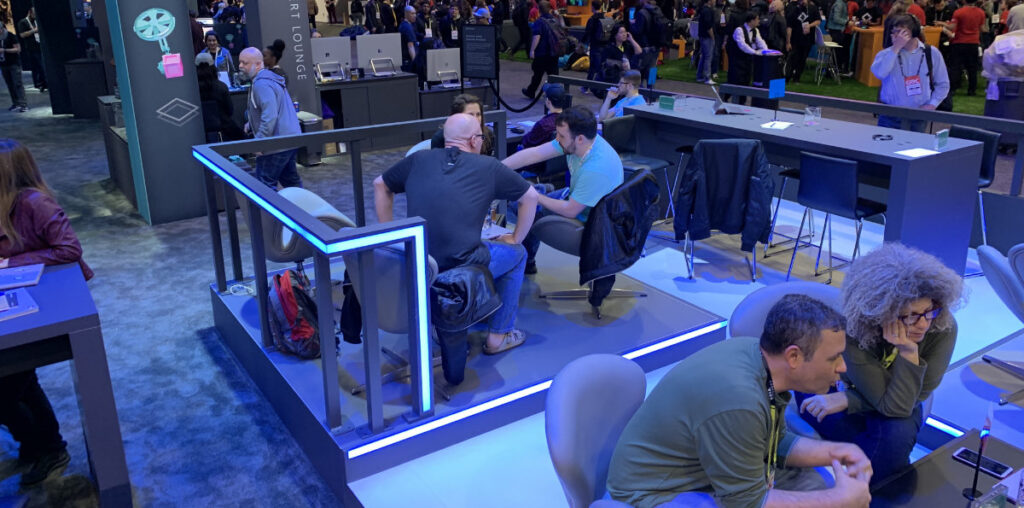
For booking meetings outside of platform-supported events, the standard approach is direct outreach in advance. For the largest shows (GDC, Gamescom, TGS), the calendars of senior publisher, platform, and investor contacts start filling up two to three months ahead of the event so you should start early:
- Two to three months out: Build a tiered target list. Send initial meeting requests to Tier 1 contacts (the people you most want to meet) for the biggest events. For smaller regional events, this is when research and list-building happen.
- Six weeks out: Follow up on Tier 1 emails that haven't responded. Send Tier 2 requests. Begin Tier 1 outreach for mid-sized events.
- Three to four weeks out: Send Tier 3 requests. Begin filling remaining gaps in the calendar. For smaller events, this is when Tier 1 outreach goes out.
- Two weeks out: Final follow-ups on outstanding requests. Start firming up meeting locations.
- One week out: Confirm meeting times, collect cell phone numbers, and send calendar invites with venue and time clearly stated.
- Day-of: Confirm by text the morning of each meeting (Optional)
Tools like LinkedIn (filter contacts by location to find who's in the host city), Eventbrite (for after-parties), and the conference's own attendee or speaker list are useful for identifying who's worth reaching out to. Posting on social media that you'll be at the event also surfaces unexpected matches, - peers who are attending, mentors traveling through, journalists you didn't realize would be there.
Meetings themselves are usually 30 minutes. Coffee shops near the venue (and not on the venue floor itself) are far better than convention center common areas - quieter, more professional, less likely to have people walking past mid-pitch.
Travel Logistics Most Teams Underestimate
Once events are selected and meetings are booked, it’s time to figure out logistics. Each show has its specifics, but below are a few things that consistently catch first-time event-goers off guard.
Planning well ahead. The general rule: the larger and more international the event, the earlier everything needs to lock in. Hotel rooms fill-up months prior to an event; prices skyrocket during the booking window, and teams that wait too long typically end up taking 30-45 minute commutes. Cologne during Gamescom is the canonical example (booking by April or May is standard for late August), but the same dynamic plays out in Tokyo for TGS, in San Francisco for GDC, and at any event where the host city's hotel inventory is small relative to the size of the show.
Hotel timing. Treat hotel booking as the first logistics decision after the trip is approved. The tightest cities are the ones where show capacity outstrips local inventory. Cities with deeper hotel markets ( Los Angeles for SGF, Boston and Seattle for PAX) are more forgiving but still benefit from booking 3-4 months ahead. For regional indie events in smaller cities like Kraków, Brno, Malmö, or Madeira, book at least six weeks out, local inventory near the venue is limited and goes quickly.
Visa lead times. Don't assume your team's visa requirements based on the lead's passport. US passport holders generally don't need visas for short business trips to the EU, UK, or Japan. But other passports may require one, and processing windows may range from days to weeks depending on when you apply during peak travel seasons. Lock visa requirements down by name at least three months out for any non-domestic event.
Onward travel requirements. Many countries that allow visa-free or visa-on-arrival entry, including the Schengen Area, US, UK, Canada, Australia, New Zealand, and parts of Southeast Asia, technically require proof of onward travel. For round-trip travelers with a clear return date, this is a non-issue. It only becomes a problem with flexible itineraries (i.e. flying into Cologne for Gamescom without a firm next leg, or into Tokyo for TGS without a confirmed departure). Airlines reference a database called Timatic, and if it has an onward-ticket requirement for a given nationality, the agent has to verify before issuing a boarding pass. There are two easy ways to resolve this issue: either book a refundable ticket back home / or buy a very inexpensive one-way flight from the destination city to a neighboring city (usually less expensive than arguing with an airline representative). Another solution would be to utilize a verified flight-reservation service that provides a legitimate PNR-based reservation without requiring the traveler to actually book travel.
Per diems and expense planning. Do not use the same per diem budget template across cities. Per diem food, transportation, and miscellaneous expenses can differ by 2–3x between different event locations. San Francisco and Tokyo consistently rank as being among the highest priced cities; Los Angeles/Cologne fall somewhere in the middle tier; and regional events held in eastern european cities (i.e. Krakow) and portuguese cities (Madeira) tend to be significantly lower-priced.
Closing Thoughts
While this piece focused primarily on the top five major events, the other independent game focused events and platform-specific events provide additional options for teams looking to engage their target audience.
For a more comprehensive view of what's running each year, two directories are worth bookmarking: Game Conference Guide and dev.events/game. They both list all conferences, summits, expositions, and trade shows (worldwide) related to the gaming industry and provide filtering options such as region, target audience, and types of events. This can be used to find events that meet certain criteria (such as a specific genre, region, or price point) without having to manually go through every conference site.


Related articles you may also like
Reddit for Game Developers: The Complete Guide
Top Gaming Marketing & PR Agencies for Video Game Publishers


Request a Free Strategy Session
Discover how Cloutboost can boost your video game's success with our Influencer Marketing Services.